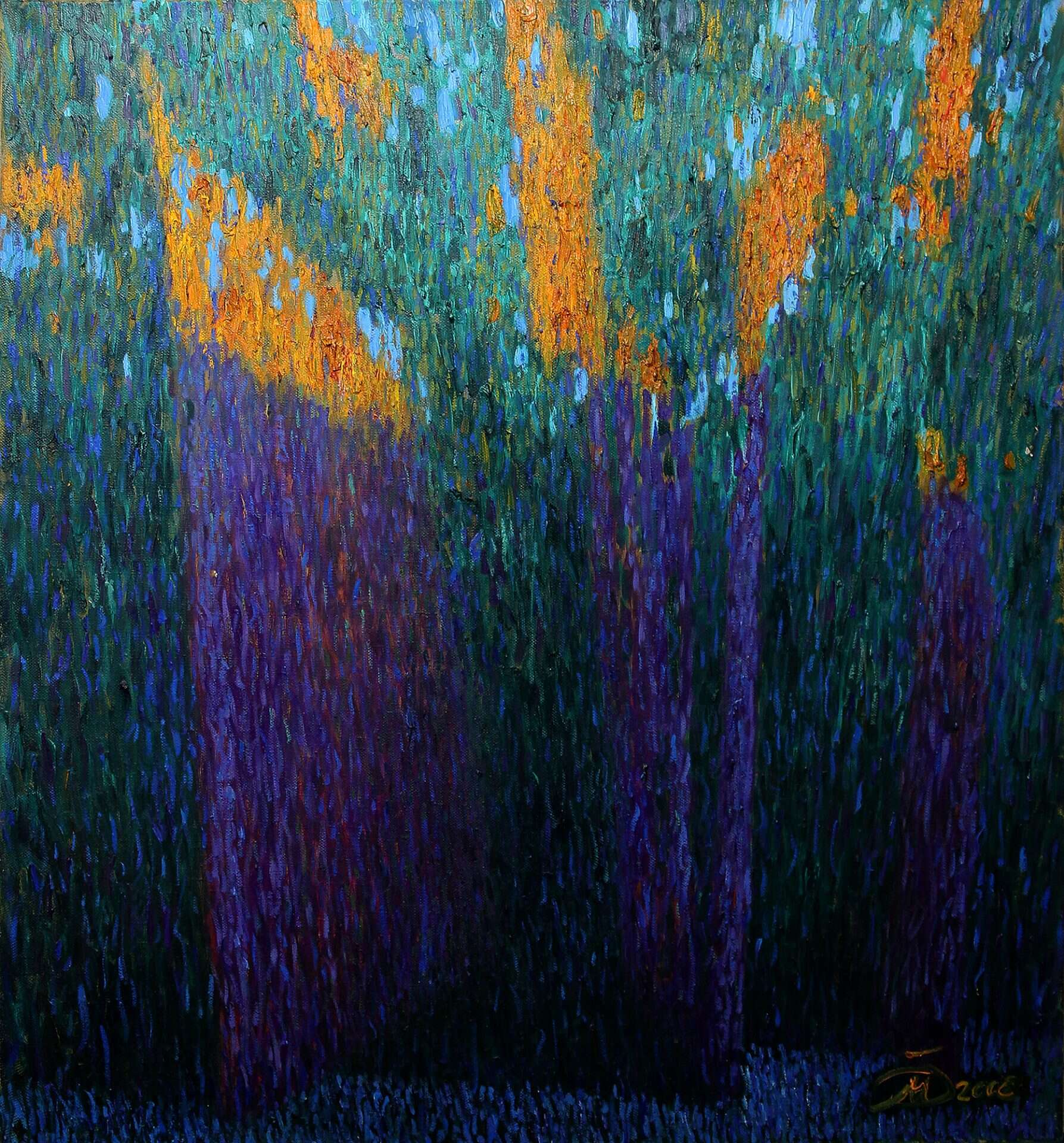
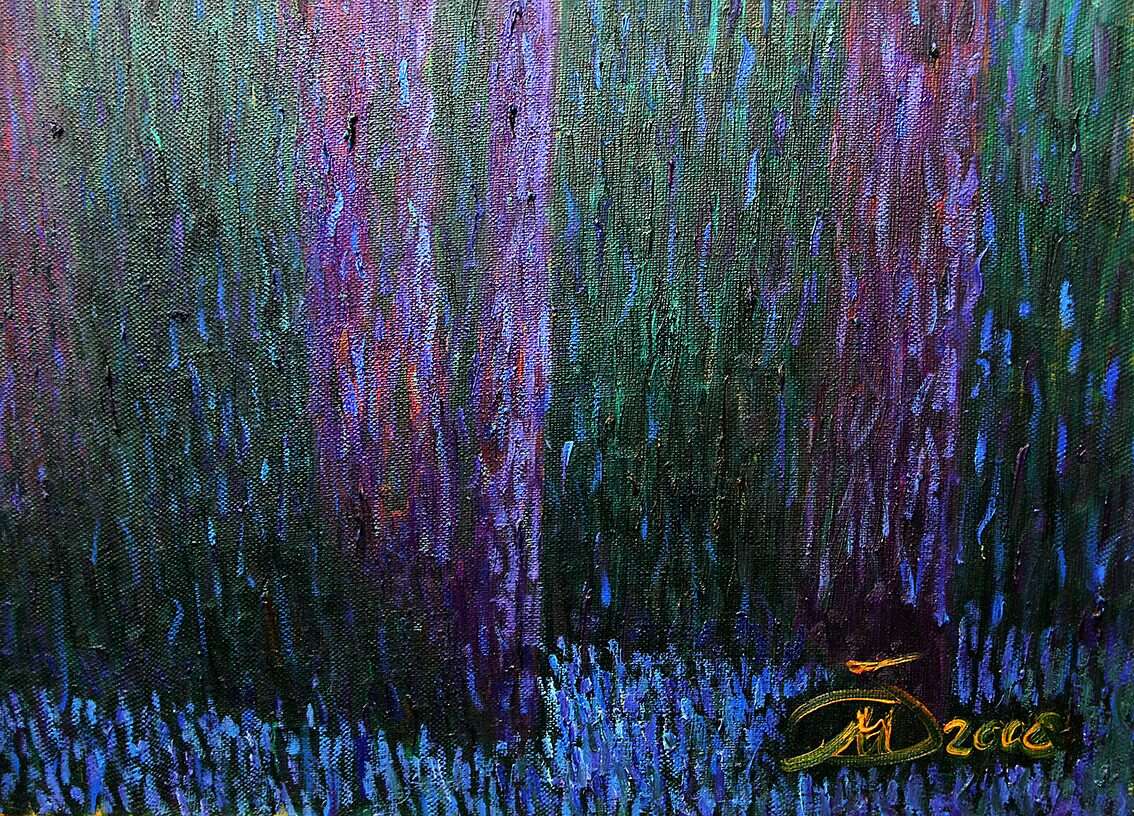
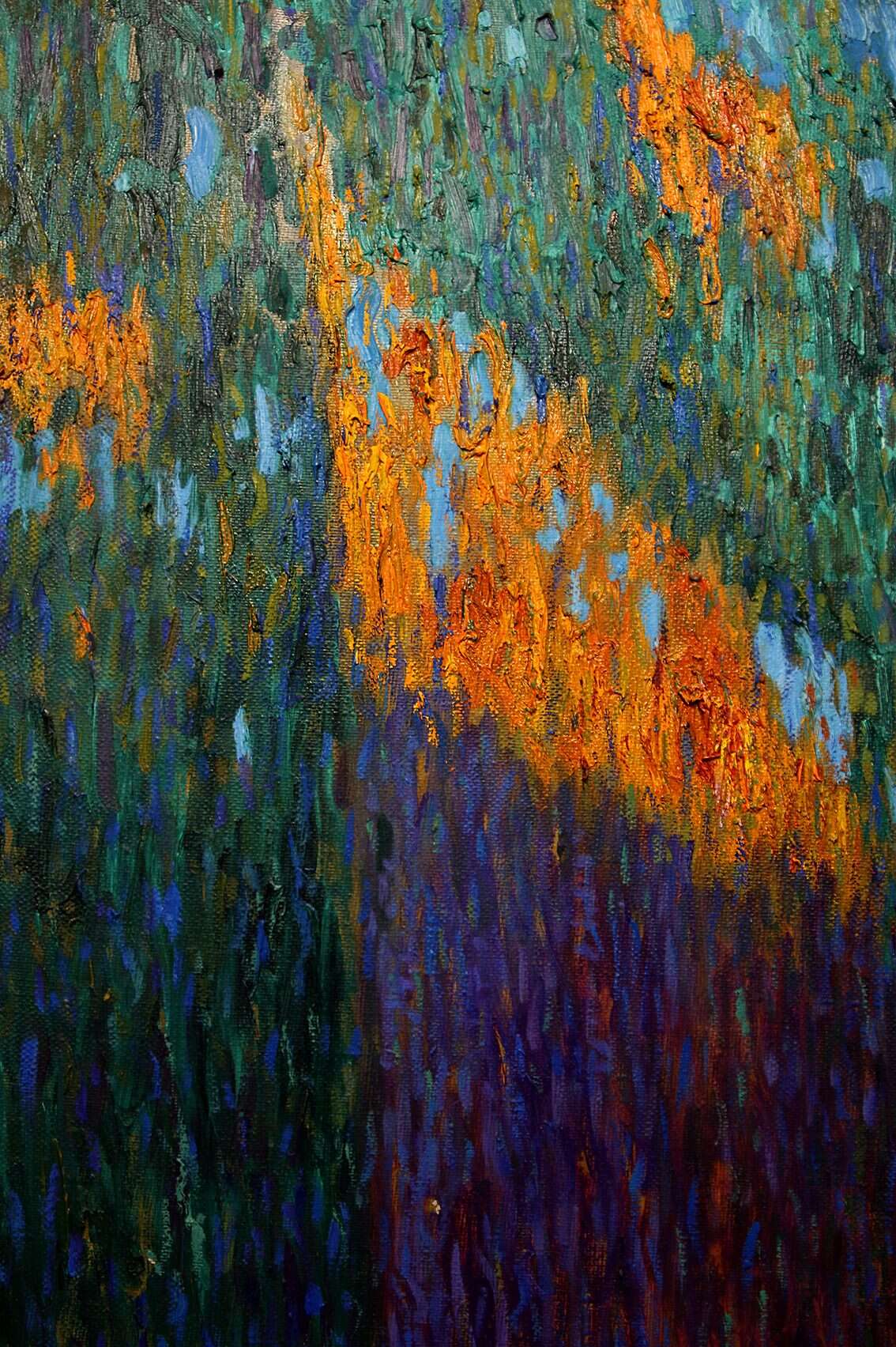
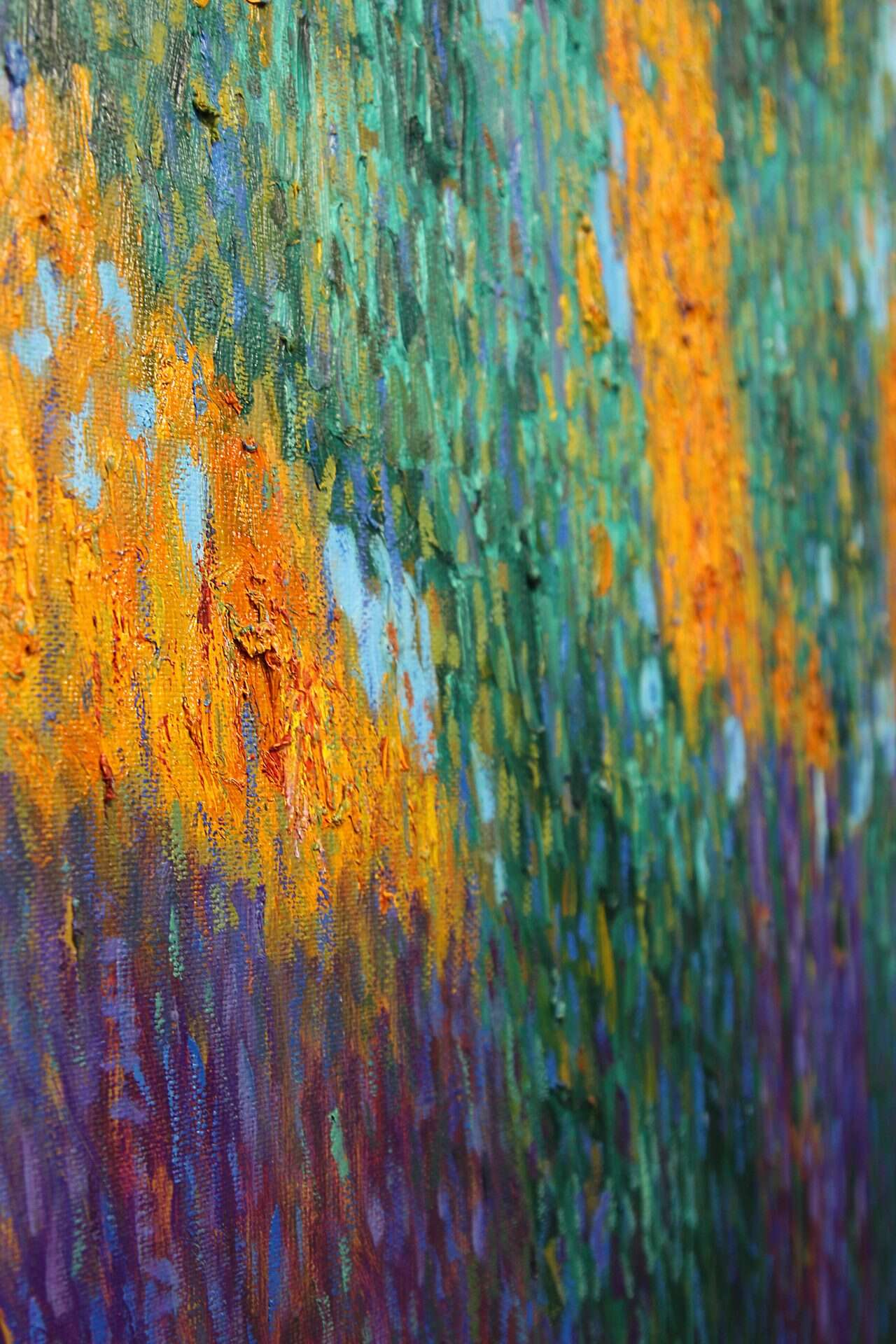
x.m. 120х110 2010
The landscape of Yevgeny Kovalchuk addresses one of the most piercing motifs of the Russian and European landscape tradition of — birch grove in the pre-sunset minutes. The artist consciously abandons botanical precision for the sake of synthetic vision: birches are not discharged, but burst from the matter of the canvas with vertical strokes, turning into the rhythmic movement of — from the solar crown down into dusk.
The composition is built on the principle of duality. The upper part of the — canvas is green, dense, flickering mass of foliage, through which orange flashes of incoming light burn. The lower — goes into cold depths: indigo, purple, deep blue, in which the trunks of trees are read only by light. The chromatic transition from warm to cold is the main dramatic method of work: this is the "last ray" from the name —, the boundary of the two states of nature and the two states of spirit.
Painting is executed in a manner close to impressionism with a pronounced expressionist accent. Allusions to the Grand Jatt school are visible in the pointillist, barred construction of greenery, while the vertical brushstrokes of purple shadows resemble the combined van Gogh daub. But the plastic language is the author's: short, tense strokes with oil, leaving the texture of the canvas alive and trembling, convey not an optical effect, but a bodily experience of light.
The picture is devoted not so much to the state of nature as to the state of perception of — to the moment when the day goes away, and the world on the verge of change becomes especially audible and visible. Traditionally, birch birch in Russian culture — is a symbol of return, renewal and youth; Here she appears in a different capacity: as a guardian of the border, a witness of the passing day. The last ray, hitting the crown, lights it from the inside of — and this glow is both a farewell and a promise: tomorrow the light will return, and the grove will again be different.
The work is designed in the spirit of a lyrical landscape, where the nature of — is not a decoration, but a metaphysical space in which the viewer reads his own states: awe, quiet sadness and hope.
-
 City of Moscow
"Swamp",
AlexandraAdd to basketSize: 18 × 24 cmPrice:
10 080,00 ₽ -
 Saint Petersburg
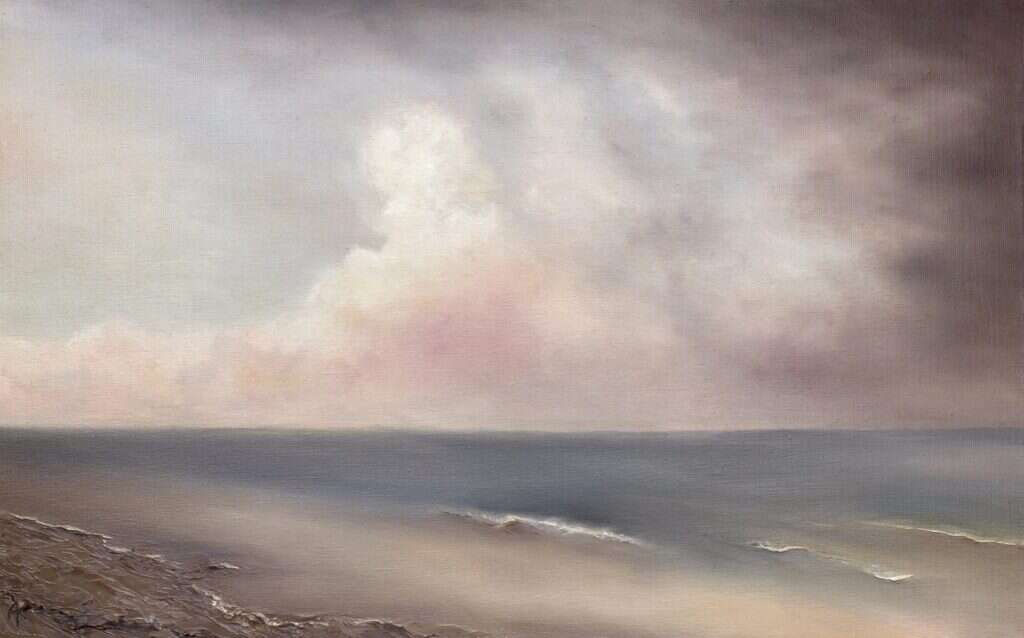
" Zephyr sky",
Kirill AgeevAdd to basketSize: 90 × 60 cmPrice:
134 400,00 ₽ -
 City of Moscow
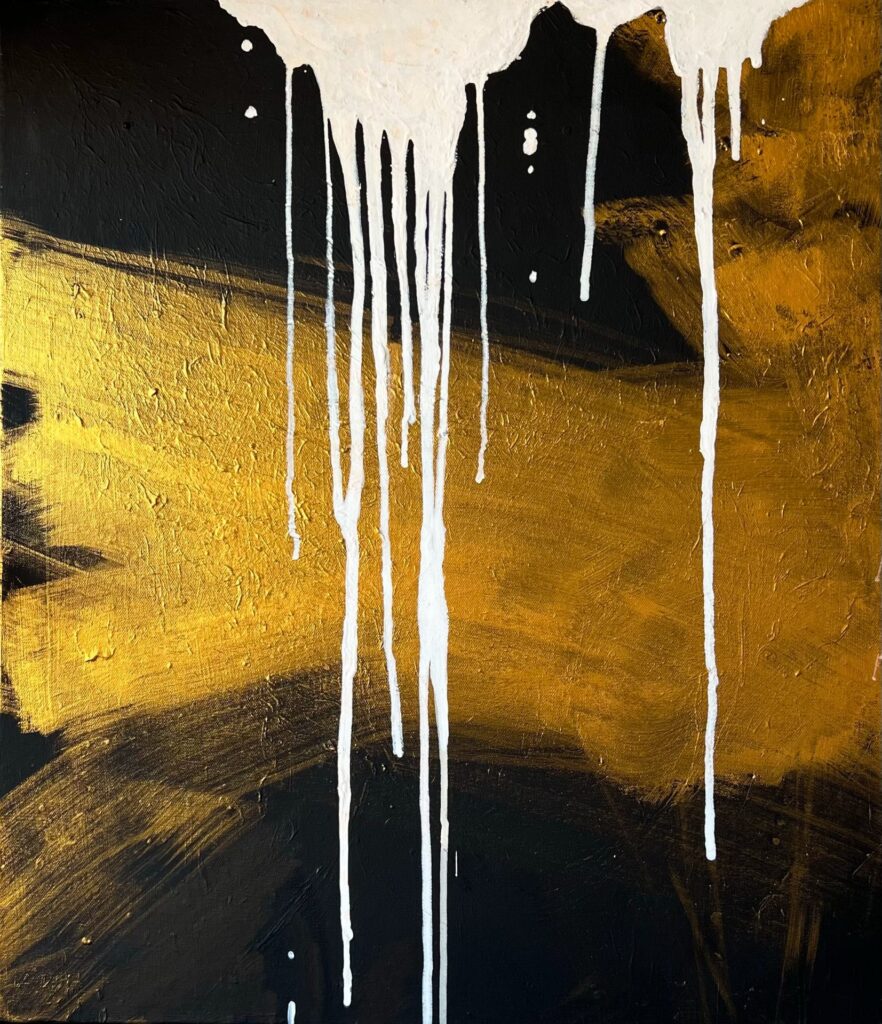
"Golden Sunrise",
Elena WrightAdd to basketSize: 60 × 70 cmPrice:
60 480,00 ₽ -
 addis ababa
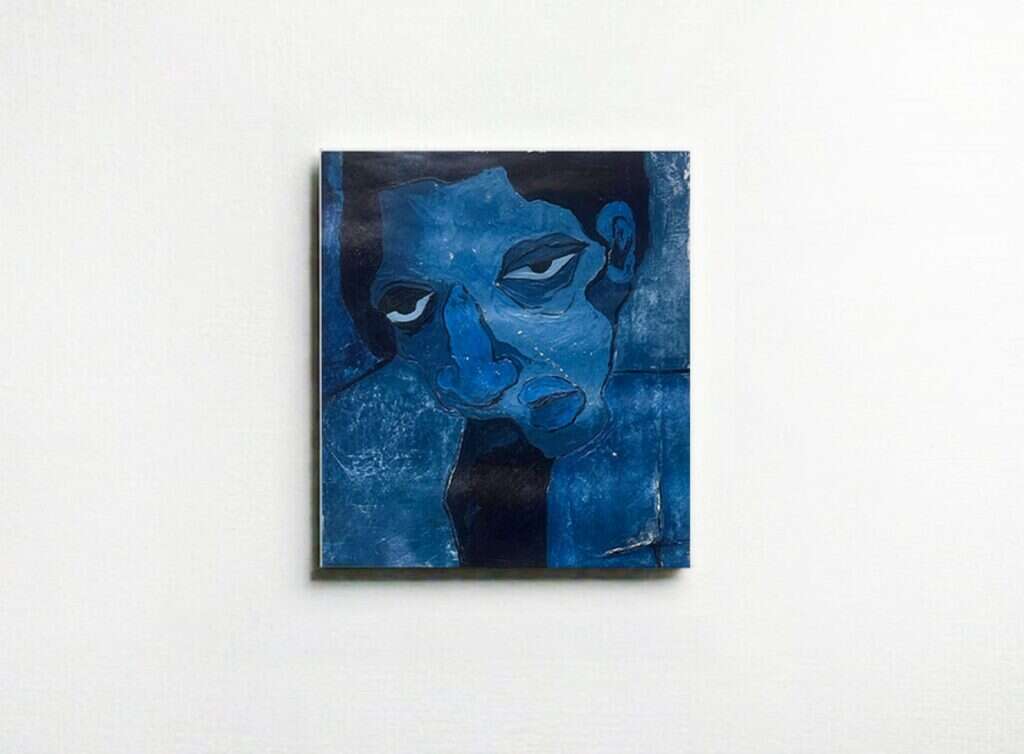
"Portrait series",
Tsion MAdd to basketSize: 30 × 30 cmPrice:
56 000,00 ₽ -
 City of Moscow
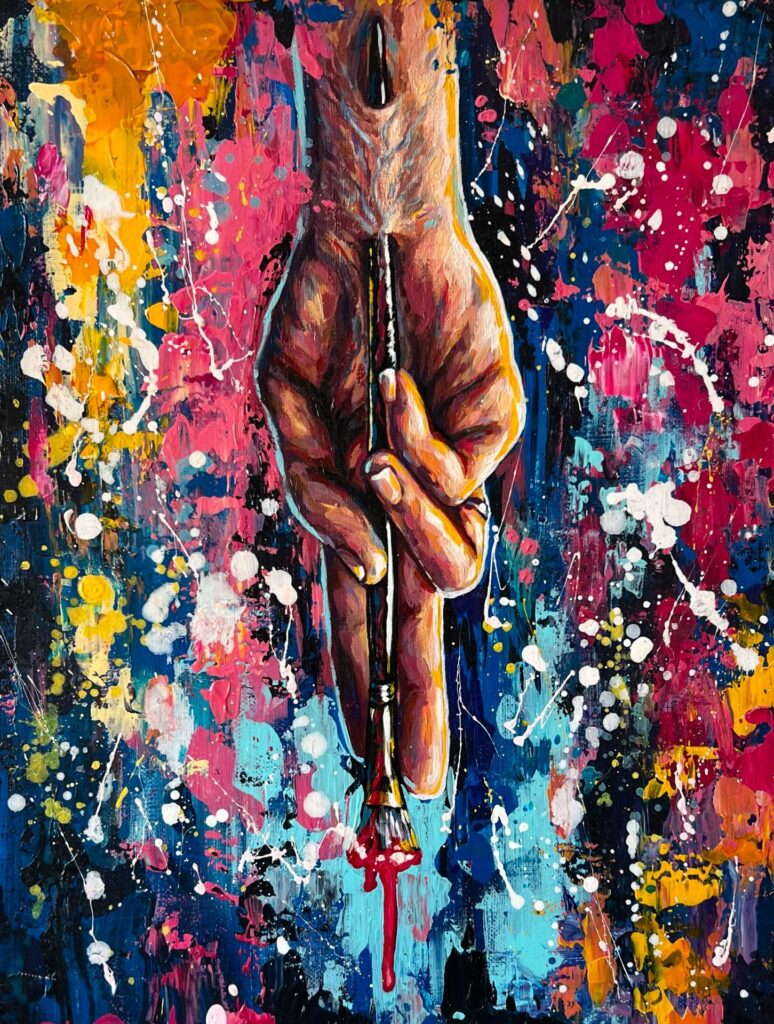
"Dependence",
Elena WrightAdd to basketSize: 30 × 40 cmPrice:
20 160,00 ₽ -
 City of Moscow
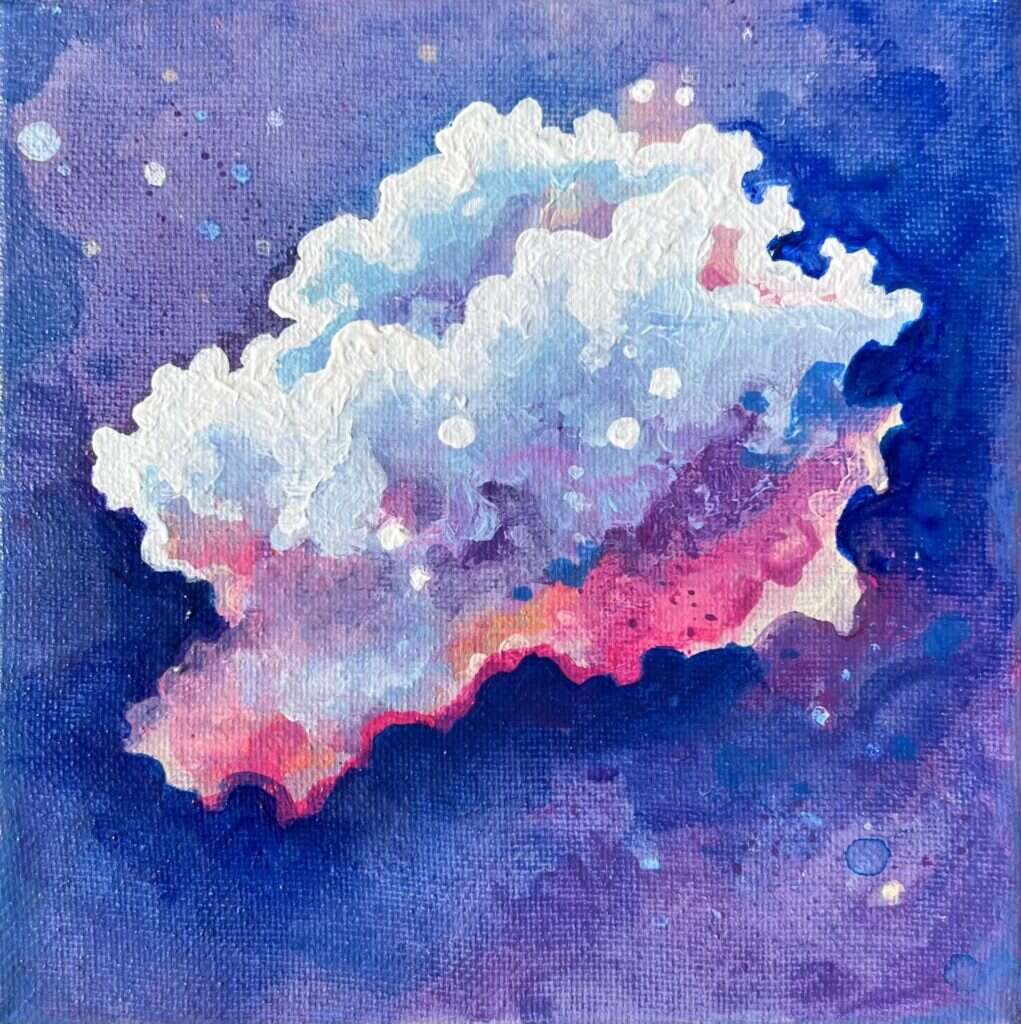
"Cloud 6",
Elena WrightAdd to basketSize: 15 × 15 cmPrice:
2 912,00 ₽

 English