x.m.110x110 2026
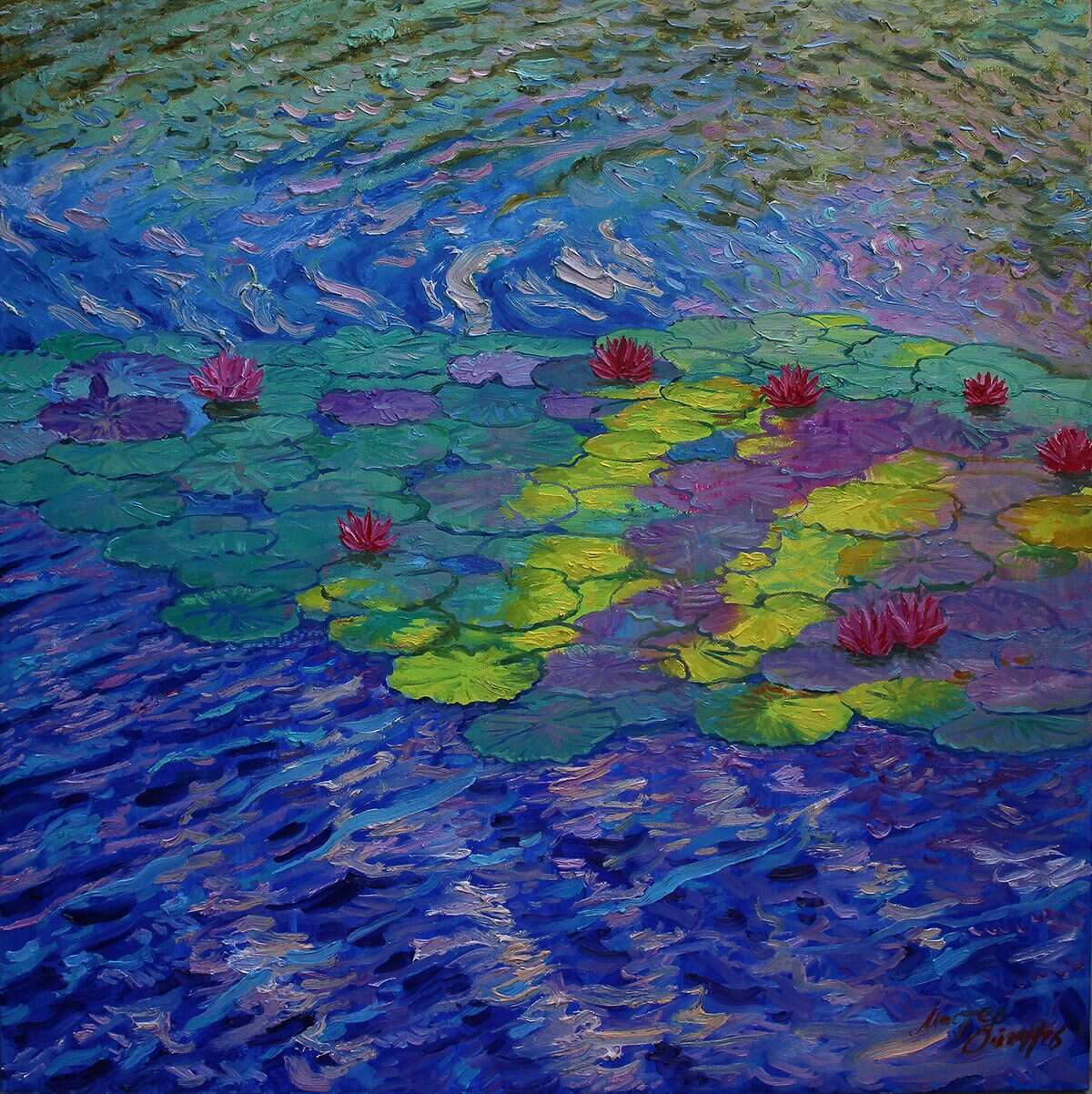
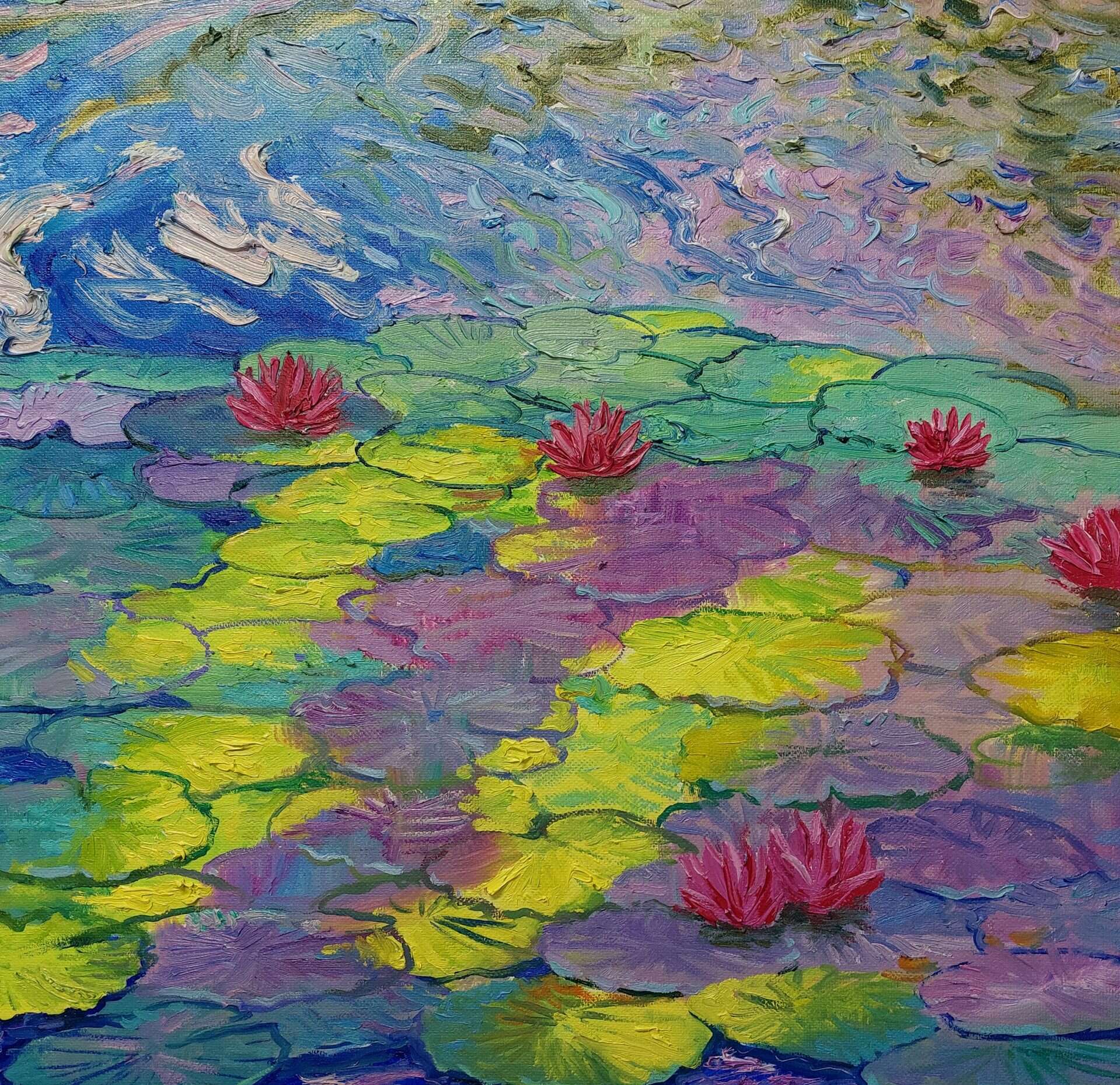
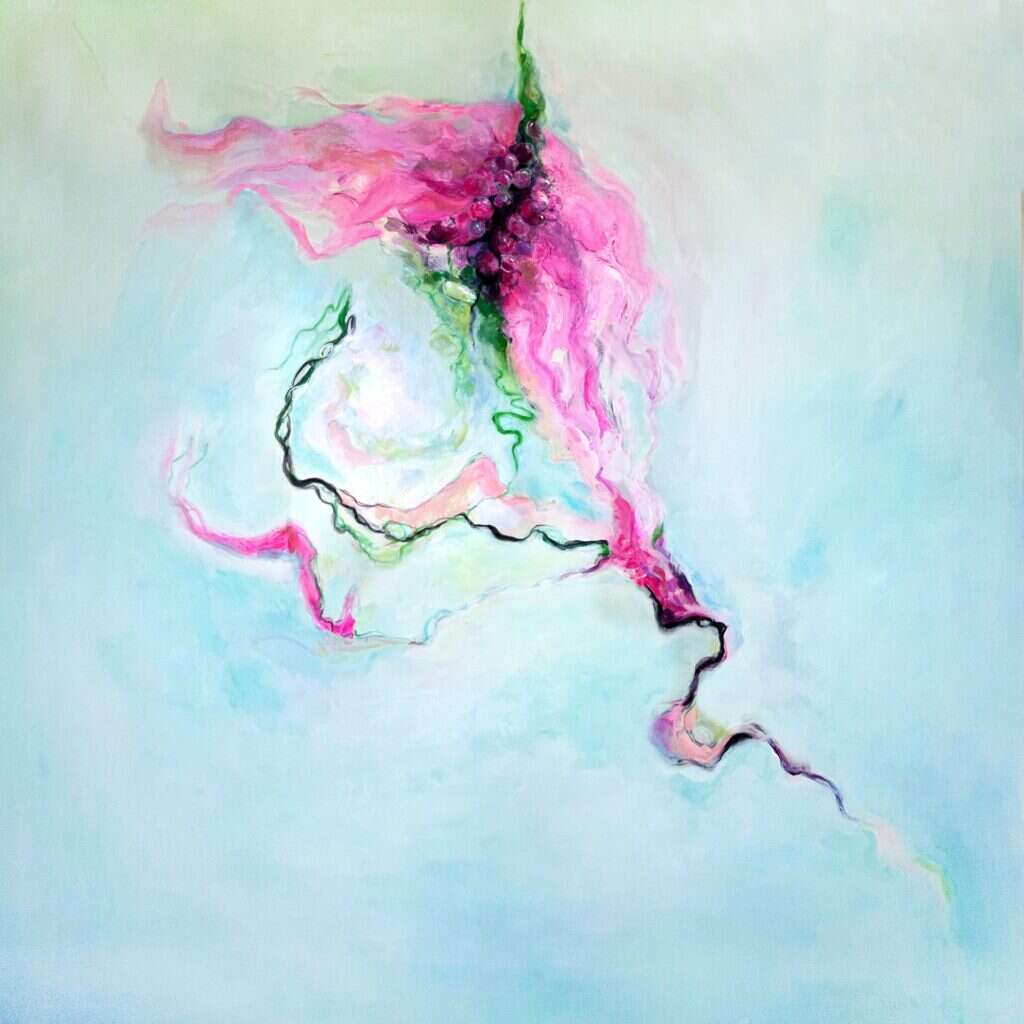
Before us is a picturesque canvas made in the technique of oil painting using a thick impasto — textured paint application, in which strokes protrude relief above the surface of the canvas. The work refers to the great tradition of French Impressionism, in particular to the famous series of Lilies by Claude Monet, but has its own expressive manner, in which the features of post-impressionism and expressionism are also guessed.
The composition is based on the principle of horizontal division of space. The central part of the canvas is occupied by an island of — water lilies, a kind of "green mist", around which the water element unfolds. The upper and lower thirds of the picture are given to the image of the water surface, which creates a feeling of immersion of the viewer directly in the environment.
The line of congestion of lilies runs diagonally, which gives the composition dynamics and prevents staticity. The viewer's gaze slides from the lower left corner to the upper right, following the color rhythm of the foliage.
The artist uses a rich, rich palette, built on the contrast of warm and cold tones:
The cold gamut (deep blue, ultramarine, purple) dominates the image of water, conveying its depth, shimmer and mystery.
The warm gamut (emerald green, lemon yellow, purple) is concentrated in the area of the water lilies, creating a luminous "island of life".
Especially 值得注意的是 is a game of reflexes: purple and pink glare on the water reflect the color of the sky and colors, which is a classic Impressionist technique for transmitting the variability of light.
The smear is energetic, sweeping in nature. In the image of water, the artist uses short, horizontal strokes that create the effect of ripples and fluidity. The leaves of the lilies are written in larger, rounded strokes, which emphasizes their volume and materiality.
The impasto technique gives the surface of the painting an almost sculptural relief of — light, falling on the canvas from different angles, creating an additional play of shadows, enhancing the effect of flickering water.
The picture is devoid of the narrative — in it there is no plot in the traditional sense. This is a pure contemplation of nature, an attempt to catch a fleeting impression (impression) from the water surface at a certain point in time. Flowering water lilies — symbols of purity, contemplation and harmony — here appear as bright accents of life against the background of endless water space.
The work carries a strong meditative principle: immersed in the depths of blue waters, the viewer finds himself in a state close to a contemplative trance.
The stylistic parallels
Undoubtedly, the main reference of this canvas is the work of Claude Monet (1840–1926), especially his later works from the series "Nympheus" (1896–1926), stored in the Orangerie Museum in Paris. However, in contrast to the coin blurring of forms, this artist retains great decorativeness and color intensity, which brings the work closer to the tradition of Fauvism (Matisse, Derain) and expressionist landscape.
The painting is a mature work in which the author masterfully combines the impressionistic sensitivity to light and color with the expressive power of a pictorial gesture. This is not just an image of the — pond, it is a symphony of color, in which water, light and plant life merge into a single harmonious whole.
-
 City of Moscow
"Silence",
Olga KrylovaAdd to basketSize: 50 × 70 cmPrice:
16 800,00 ₽ -
 Electrougly
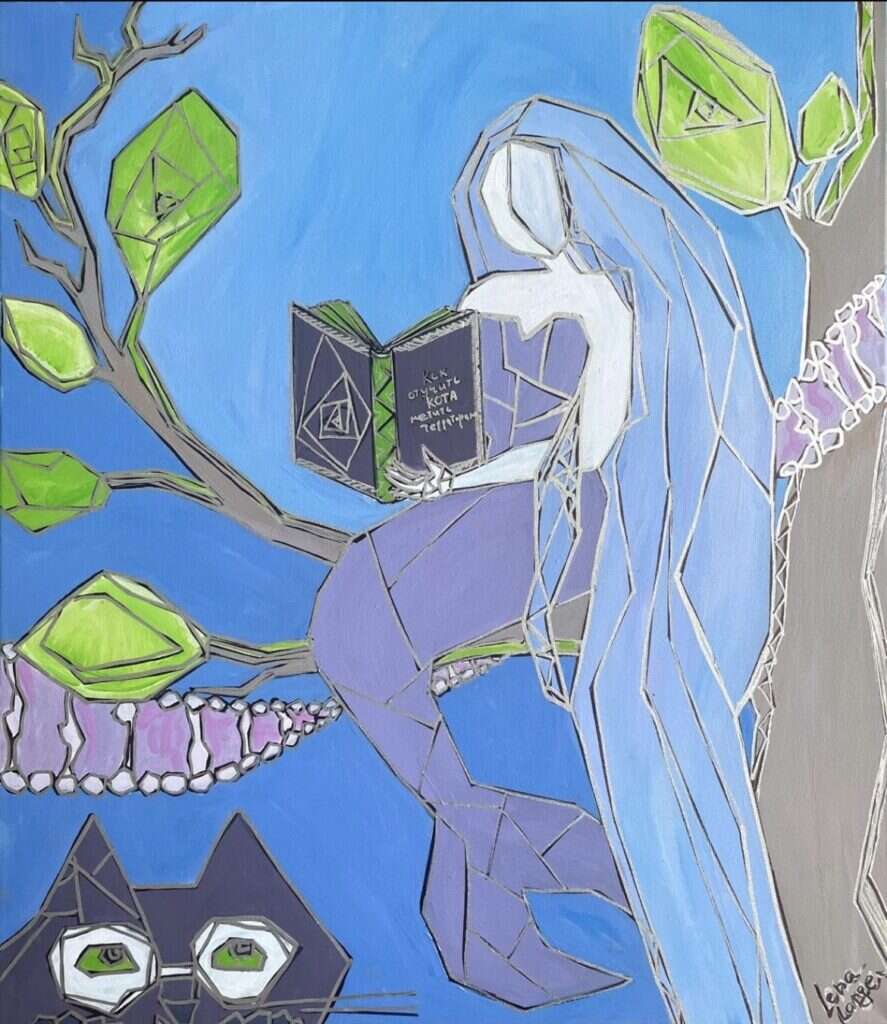
"Mermaid on branches",
Lena LangerAdd to basketSize: 60 × 70 cmPrice:
53 760,00 ₽ -
 City of Moscow
"Tracks",
Olga KrylovaAdd to basketSize: 60 × 80 cmPrice:
28 000,00 ₽ -
 City of Moscow
"Gate of the morning",
Elena WrightAdd to basketSize: 80 × 85 cmPrice:
67 200,00 ₽ -
 Izhevsk Urban Okrug
"Alexander Nevsky Cathedral",
Angelina IvanovaAdd to basketSize: 20 × 20 cmPrice:
11 200,00 ₽ -
City of Moscow
"8. To recognize it. Series "Where do I end?"/lt;/etm-post-container>,
Sveta TitovaAdd to basketSize: 120 × 120 cmPrice:
74 928,00 ₽



 English