x.m.110X110 2026g.
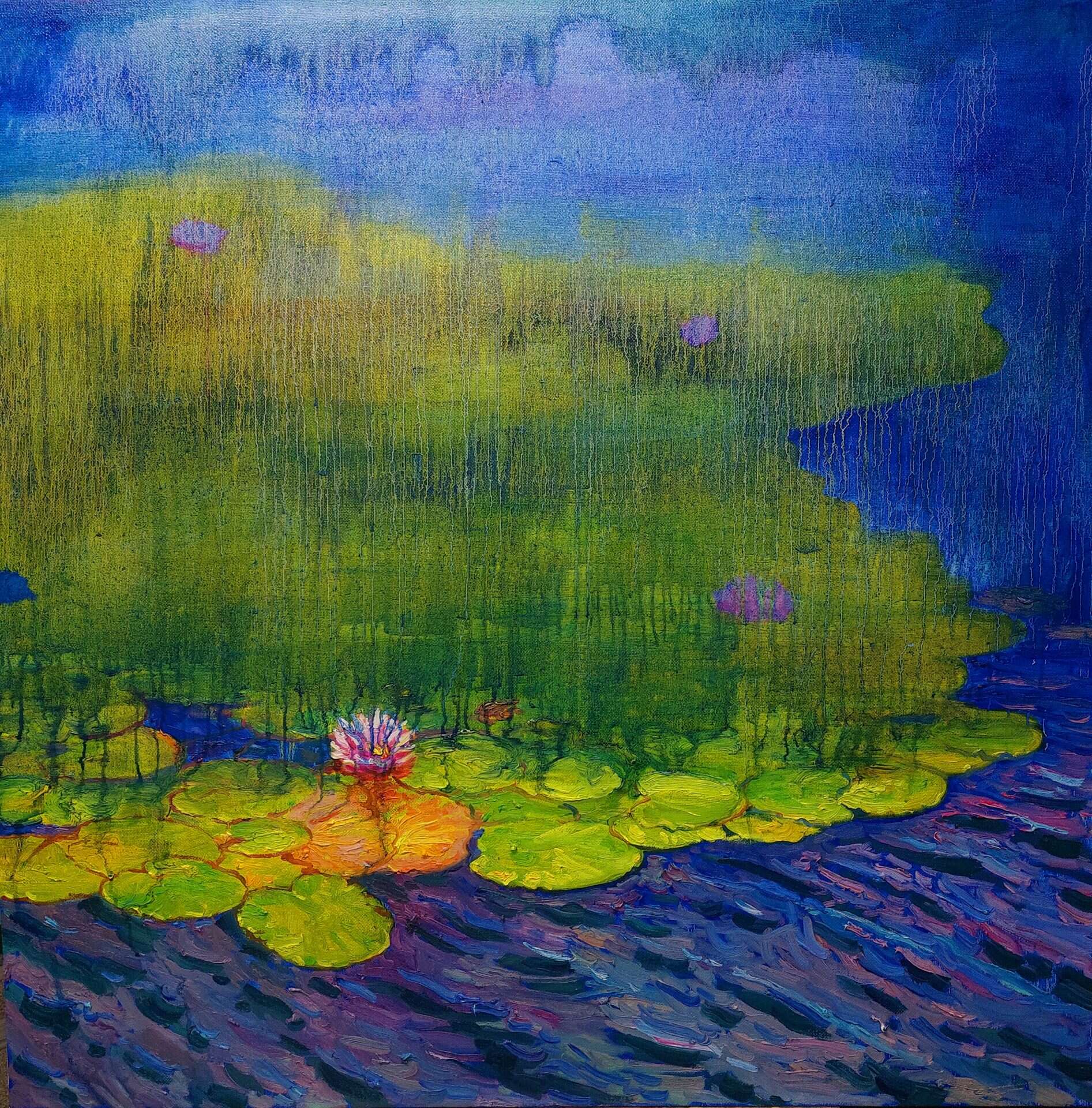
Before us is a canvas entirely belonging to one of the most radical pictorial ideas of the modern era — water as a self-sufficient subject and self-sufficient space of the picture. Iconographically, the work conducts a direct dialogue with the later "lilies" of Claude Monet, but interprets this tradition with an almost expressionistic temperament of the texture.
**Composition and space.*
The painting is demonstratively devoid of horizon, sky as a "place" and earth: the entire surface of — is water, that is, a pure reflection. The space is organized into three vertical zones. At the top of — is a shaky reflex of the sky with clouds dissolving in the cobalt; In the center of — there is a heavy green mass, a reflection of the coastal foliage, permeated with vertical jets of paint, like a mirror of water turned by rain or trembling; At the bottom of — is the very "matter" of the pond: a garland of leaves, laid soft diagonal from left to right, and the only blooming flower — semantic and coloristic center of the whole. This diagonal works like a classic repussar, but instead of the backstage of the — trees, the chain of floating leaves: shrinking and melting in reflexes to the right edge, it creates depth without the perspective of —, depth born exclusively by the ratio of shafts and temperatures. The square format enhances the feeling of a fragment of infinite surface: the picture seems to be carved from a boundless water field, according to the principle of coin decorative panels.
** Colorite **
The canvas is built on the vibration of complementary pairs: blue-violet, almost ultramarine water against the yellow-green carpet of leaves. Around the flower, an orange-ochre halo of — is poured a spot of warm light, informing it of its own, internal luminescence; The flower is not illuminated by — it glows. The pink-purple accents of the flower itself and its distant "echoes" in the upper zone rhyme the top and bottom, linking the composition vertically and not allowing the reflex to disintegrate into independent color fields. The deep cobalt pillar on the right reads like a shadow of the shore or clouds: it closes the frame without letting go of the canvas.
Light and time
The light source in the picture is not — light exists only as a state of water. The mirror of the pond doubles the world: the sky, clouds, foliage pass through it, leaving not a shape, but a color trail. The vertical flow of — drips — paint introduces a note of time into this mirroring: the reflection here is not a static picture, but a process that lasts and decays. Rare purple flashes in the green mass of — are either distant flowers, or their — reflex doubles support this ontological ambiguity, so much appreciated by the late Monet: the eye does not decide where the surface is, where the depth is, where the thing is, where its image is.
** The fact. **
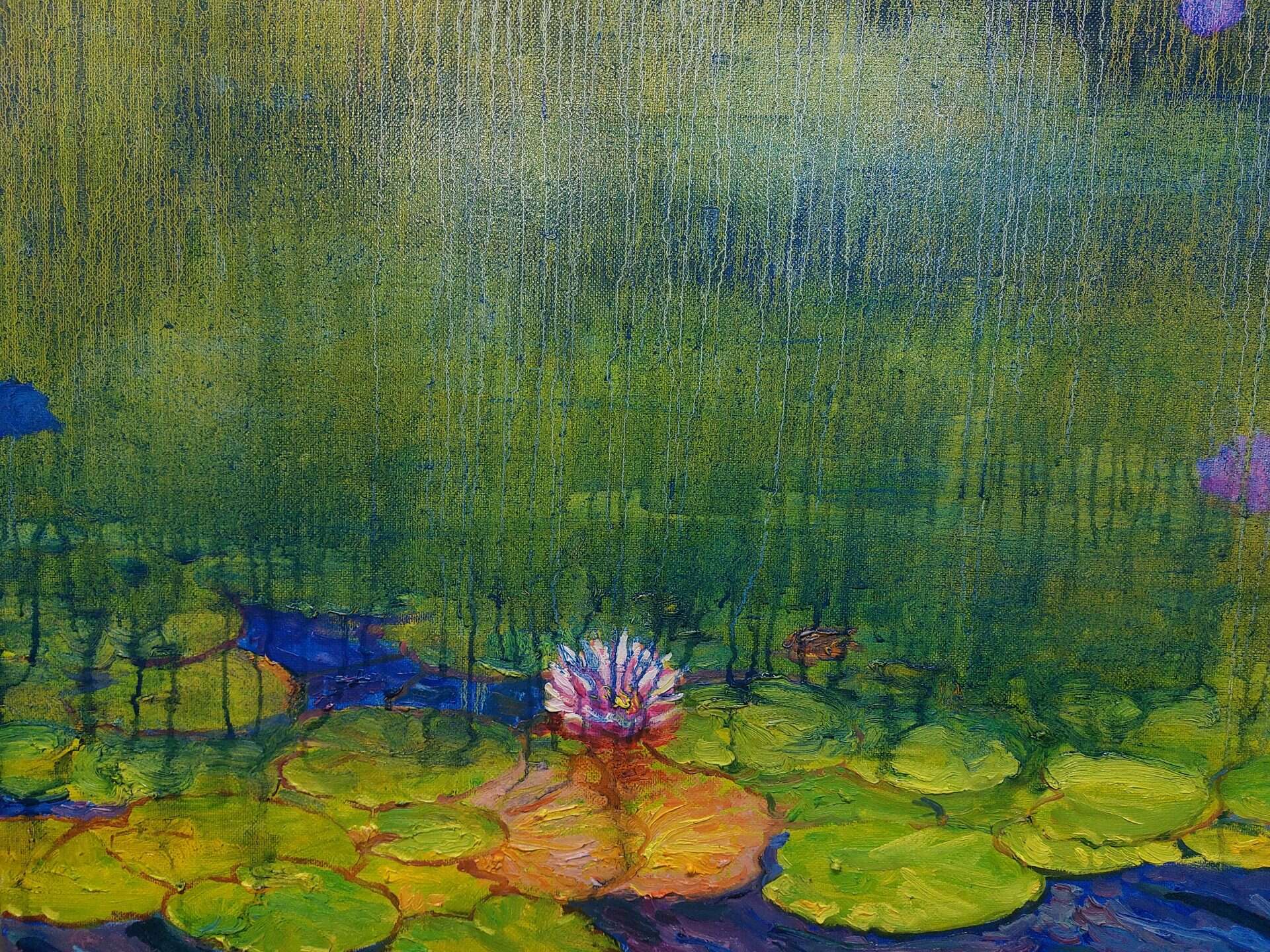
The foreground is written with a thick imasto, a mosaic short stroke: each stroke of the — brush is a cage of water smalt, pink, turquoise, purple. The leaves are laid wide, almost palatial flat, with a visible relief of paint; The flower is sculpted with tight sockets of strokes, reminiscent of the freedom of late coinage and at the same time — about gesture painting of the middle of the 20th century. The grain of the canvas, emerging in the middle zones, and the fumatic melting of the top contrast with the dense matter of the bottom, giving the canvas "breath": the material then thickens into a thing, then evaporates into a reflex.
Context and semantics
The work is in line with the pleer tradition brought to its decorative and meditative boundary: the picture is no longer a window, but a color field into which the viewer enters, like water. At the same time, a nervous stroke and deliberate flow betray the hand of the era after abstract expressionism: this is not a copy, but a meditation on the theme of — thinking about the mirror as a metaphor for being. The only flower in the midst of the elements of the reflections of — is a fragile assemblage point, a blooming moment caught between the sky, which is not there, and the depth, which is not visible. In this contemplation, the eastern line of — is also heard, the Japanese tradition of seeing in the water an image of impermanence: everything passes, color remains.
** Summary **
The work combines impressionistic optics with post-impressionist density of writing and modern gestural freedom; —'s strength is in a steady balance between decorative panels and metaphysical mirrors, between surface trembling and the silence of depth.
-
 City of Moscow
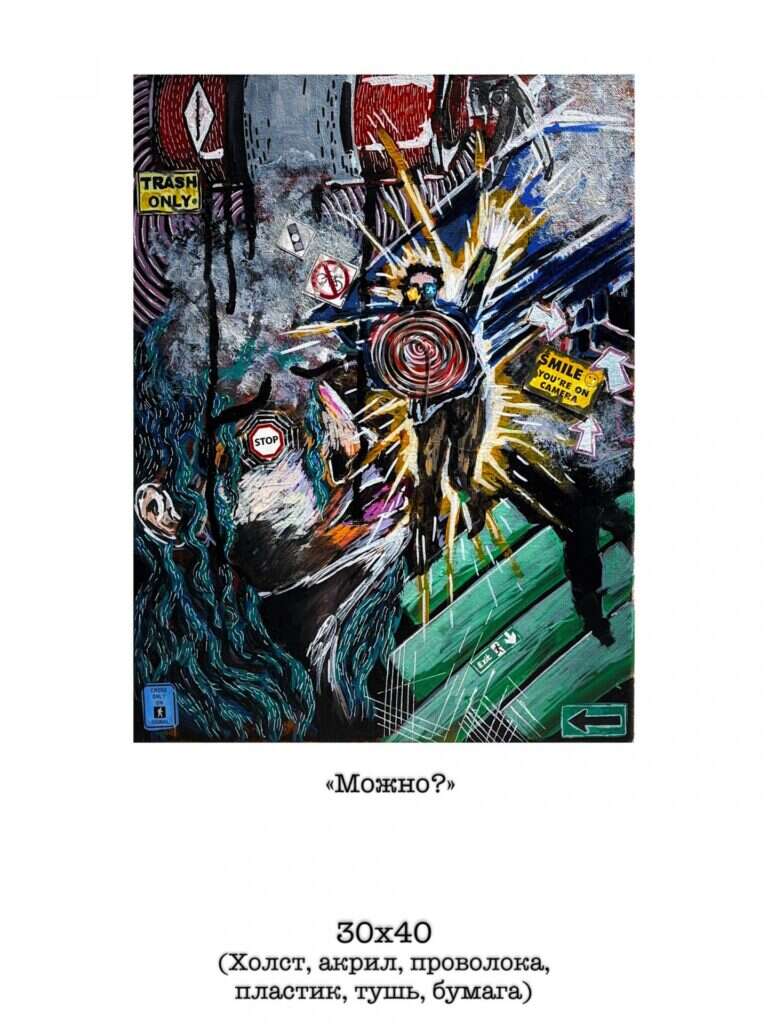
"Can I?",
AlexandraAdd to basketSize: 30 × 40 cmPrice:
16 800,00 ₽ -
 St. Petersburg
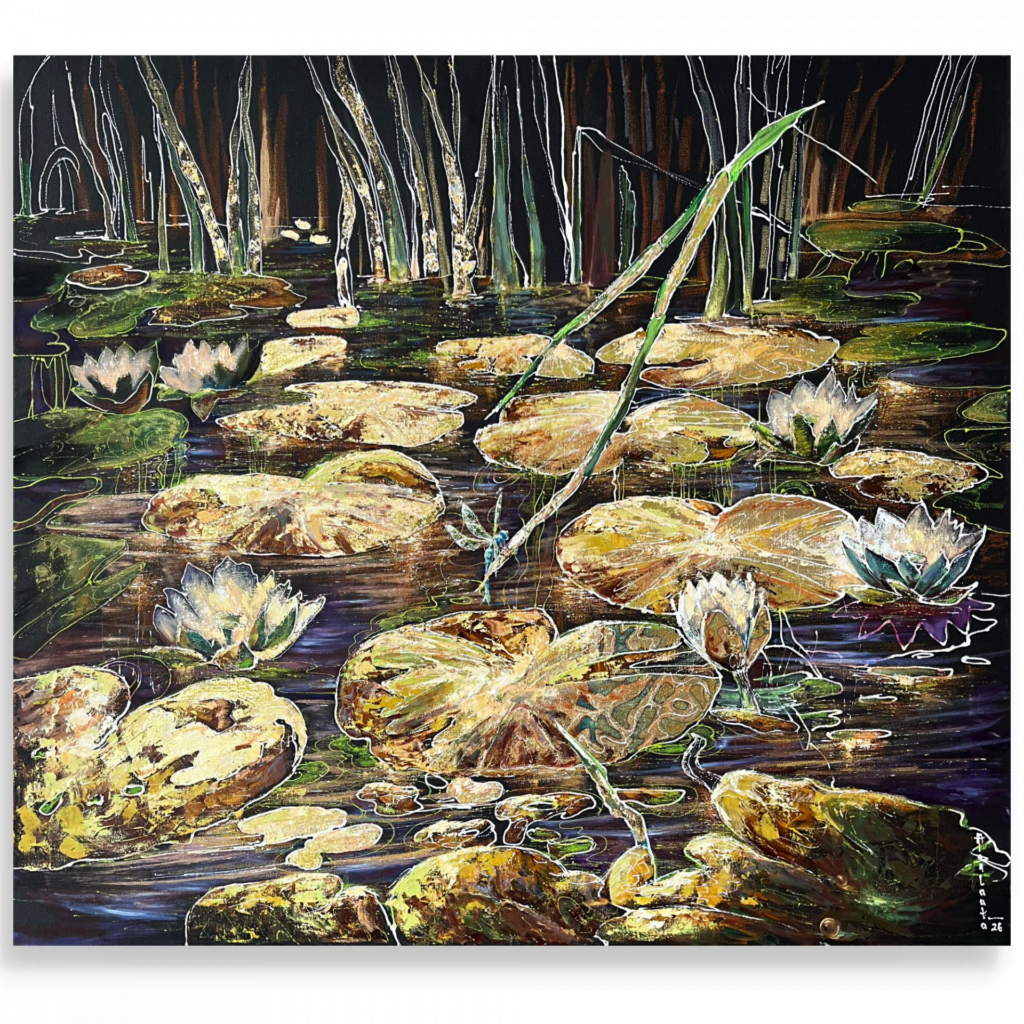
"The Depth of Summer",
Daria HarlautaAdd to basketSize: 90 × 80 cmPrice:
649 600,00 ₽ -
 Electrougly
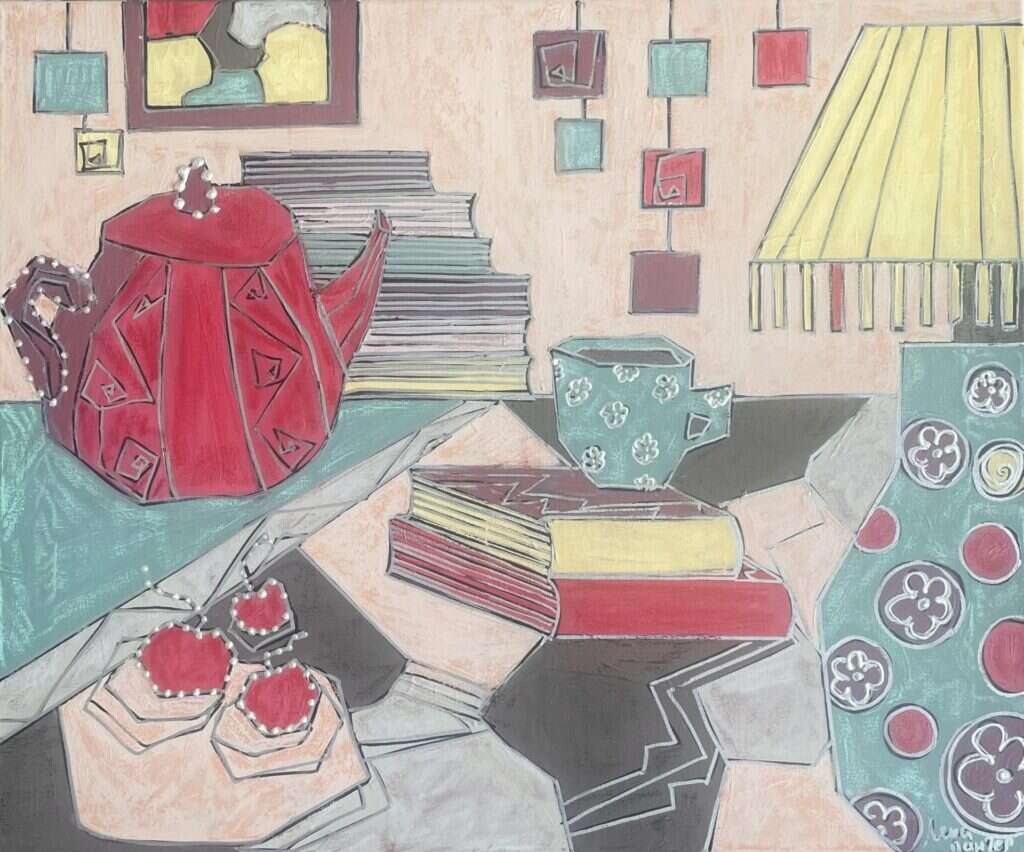
"Still life 1",
Lena LangerAdd to basketSize: 60 × 50 cmPrice:
31 360,00 ₽ -
 Zhodino
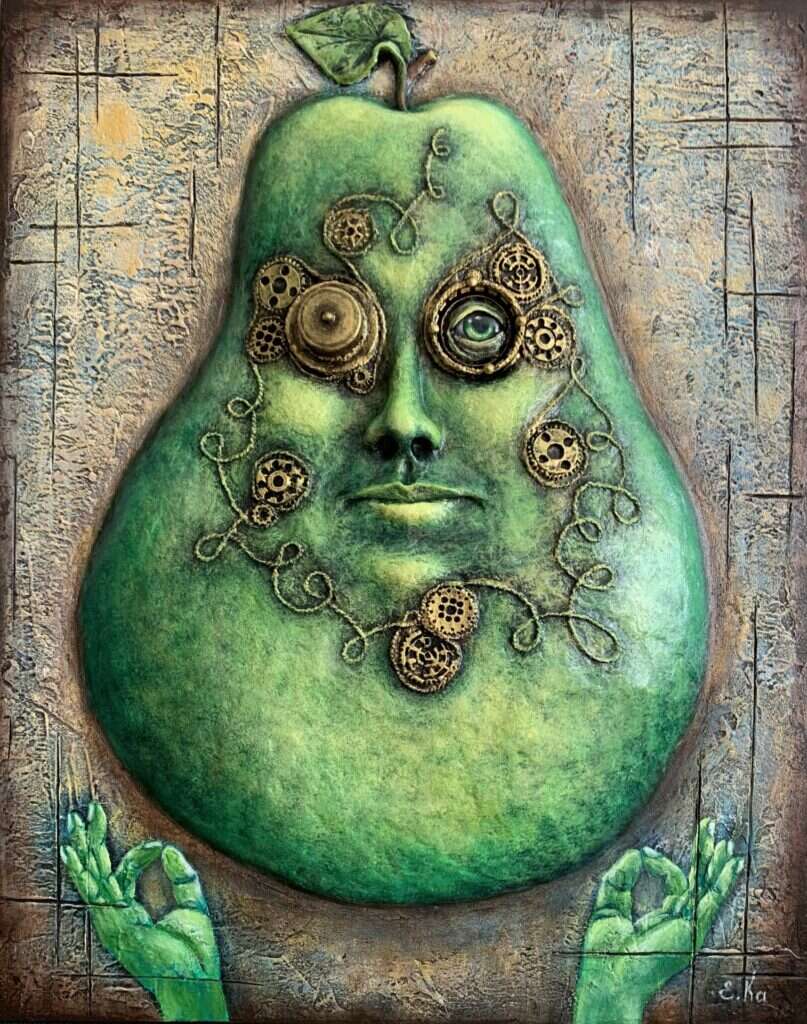
"Genesis 2.0 Pear. – series Forbidden Garden",
Elena KalmykAdd to basketSize: 40 × 50 cmPrice:
72 800,00 ₽ -
 addis ababa
"Untitled(bed series)",
Tsion MAdd to basketSize: 114 × 98 cmPrice:
302 400,00 ₽ -
 City of Moscow
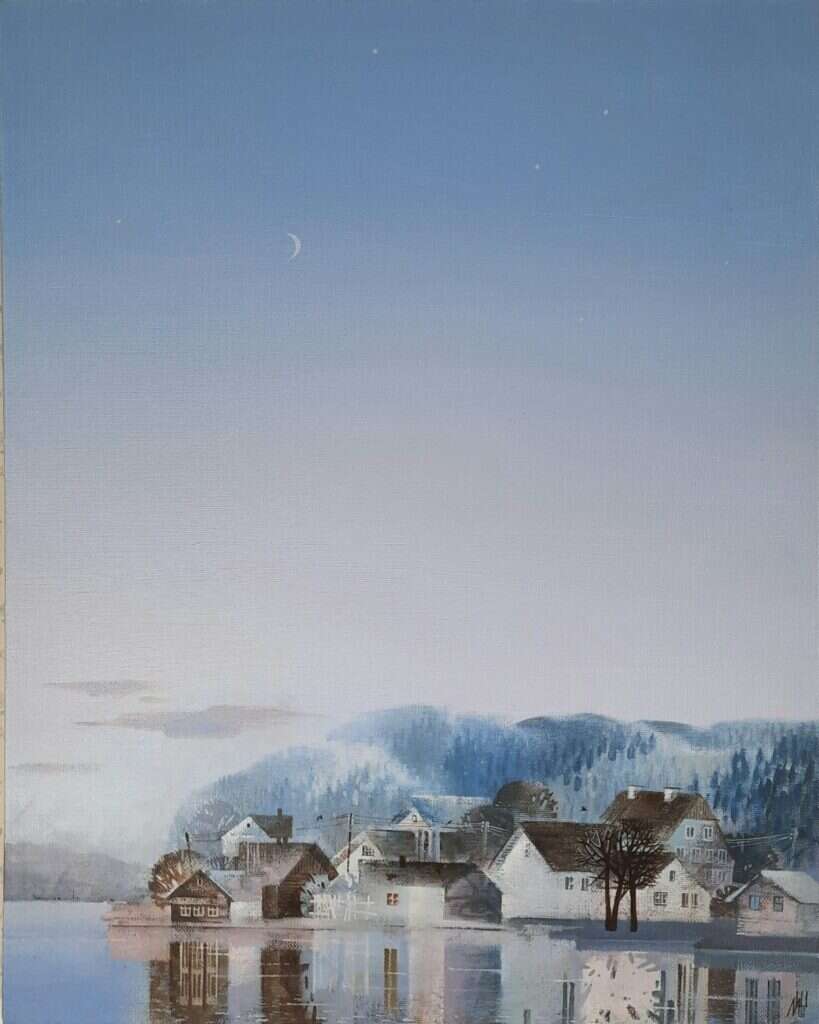
"Reflection",
Maria SchvetzAdd to basketSize: 40 × 50 cmPrice:
33 600,00 ₽

 English